
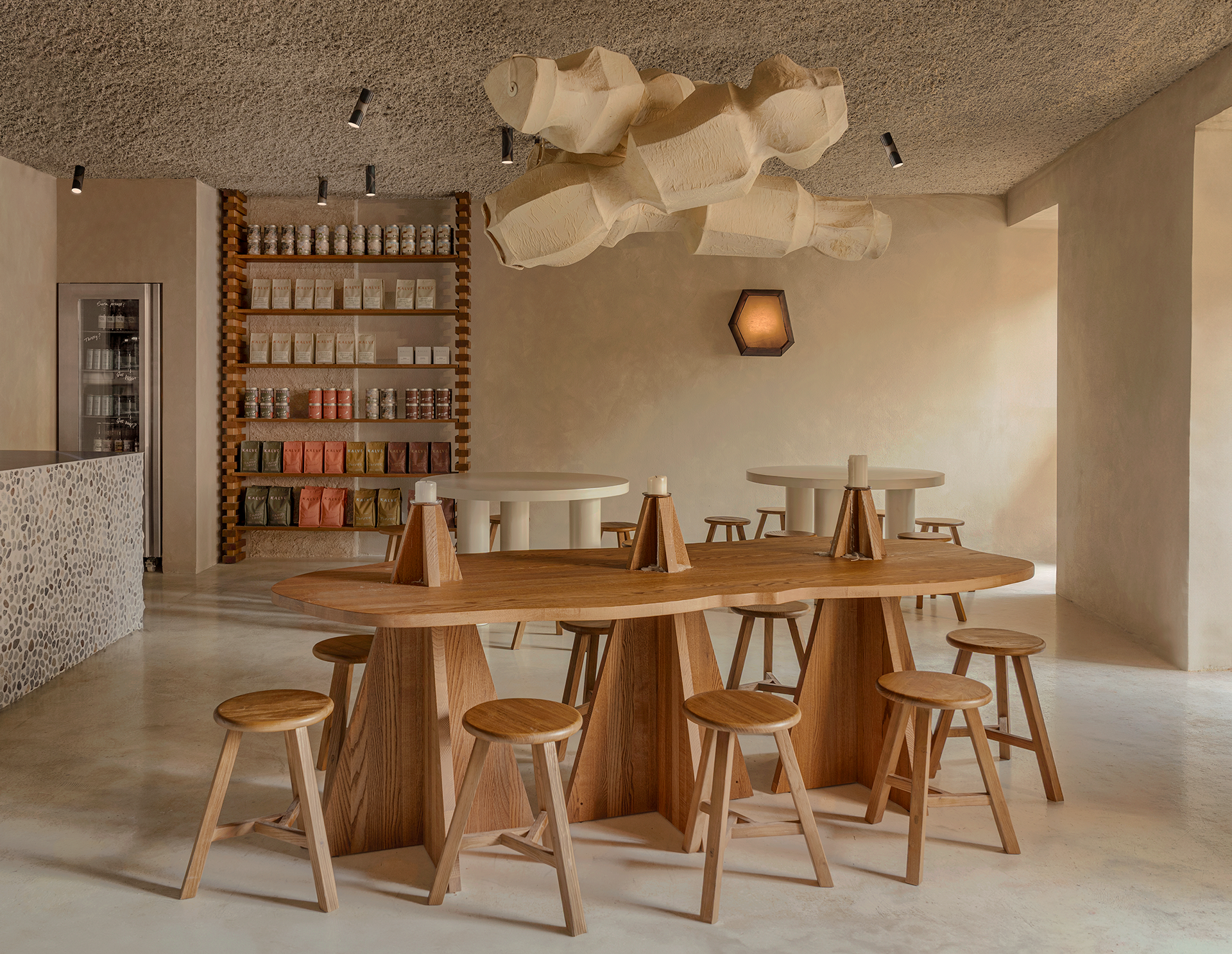
The role of craftmaship today
This interior concept explores a central question: Is craftsmanship disappearing in the modern world, or is it simply transforming? The space creates an environment where traditional skills—woodworking, ceramics, and textiles—are not merely aesthetic references to the past, but active participants in the language of contemporary materials, technology, and everyday life.
The concept draws inspiration from Lisbon’s rich craft heritage, from hand-crafted timber joinery and wall murals to Portugal’s iconic calçada stone paving and woven textile traditions. Yet this is not a historical reconstruction. It is a spatial dialogue between inherited knowledge and contemporary possibilities.
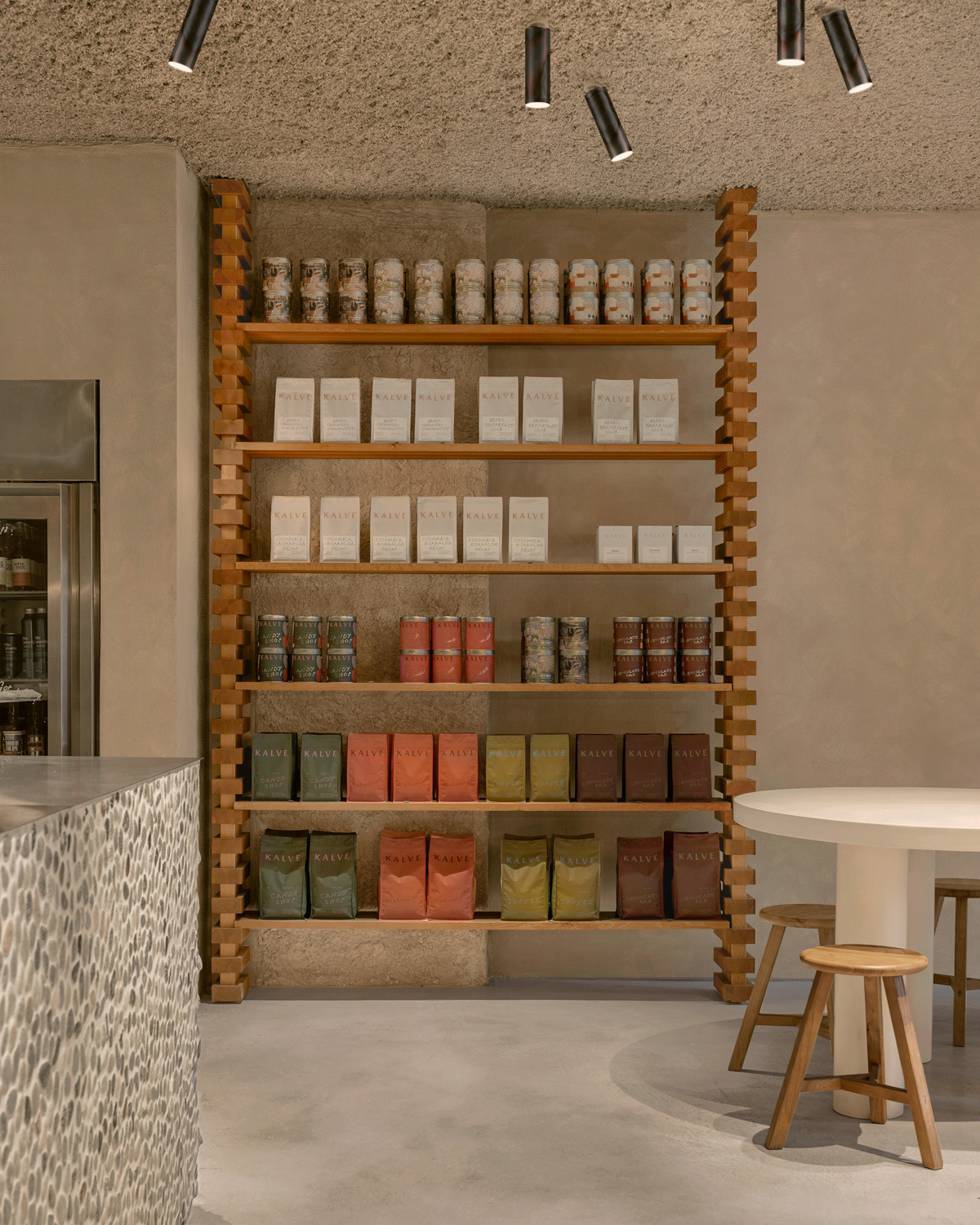
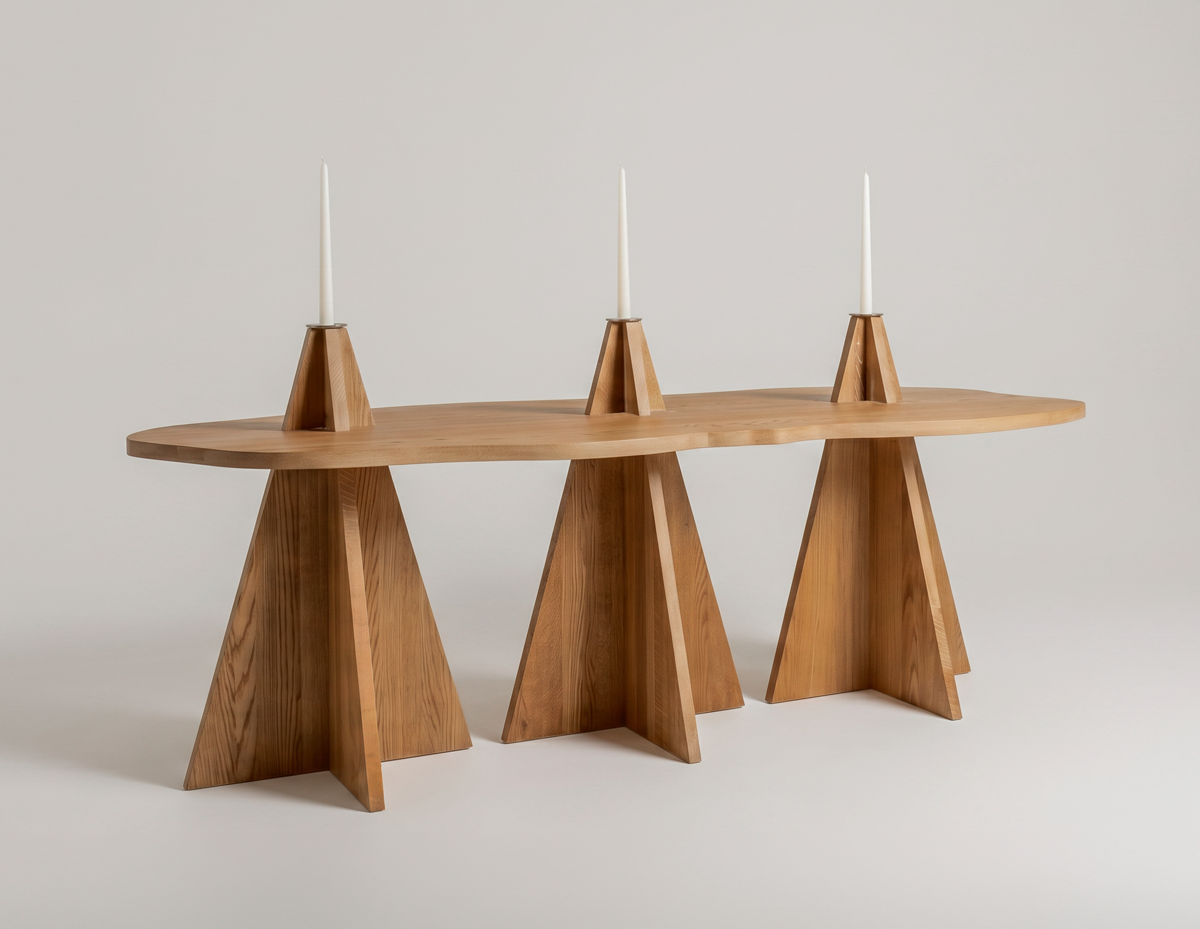
At the heart of the concept is integration, not contrast:
Natural materials, imperfection, and the human touch coexist with precision manufacturing, sustainable solutions, and adaptable functionality.
Every interior element—from bespoke furniture to wall finishes—demonstrates that craftsmanship is not in opposition to technology. On the contrary, craftsmanship becomes the filter that makes technology more human, warmer, and more meaningful. In this concept, craftsmanship is not romanticized but reimagined as a living practice—one that can evolve without losing its essential value. It is a dialogue between handmade work and algorithms, between the slow and the fast, between storytelling and function.
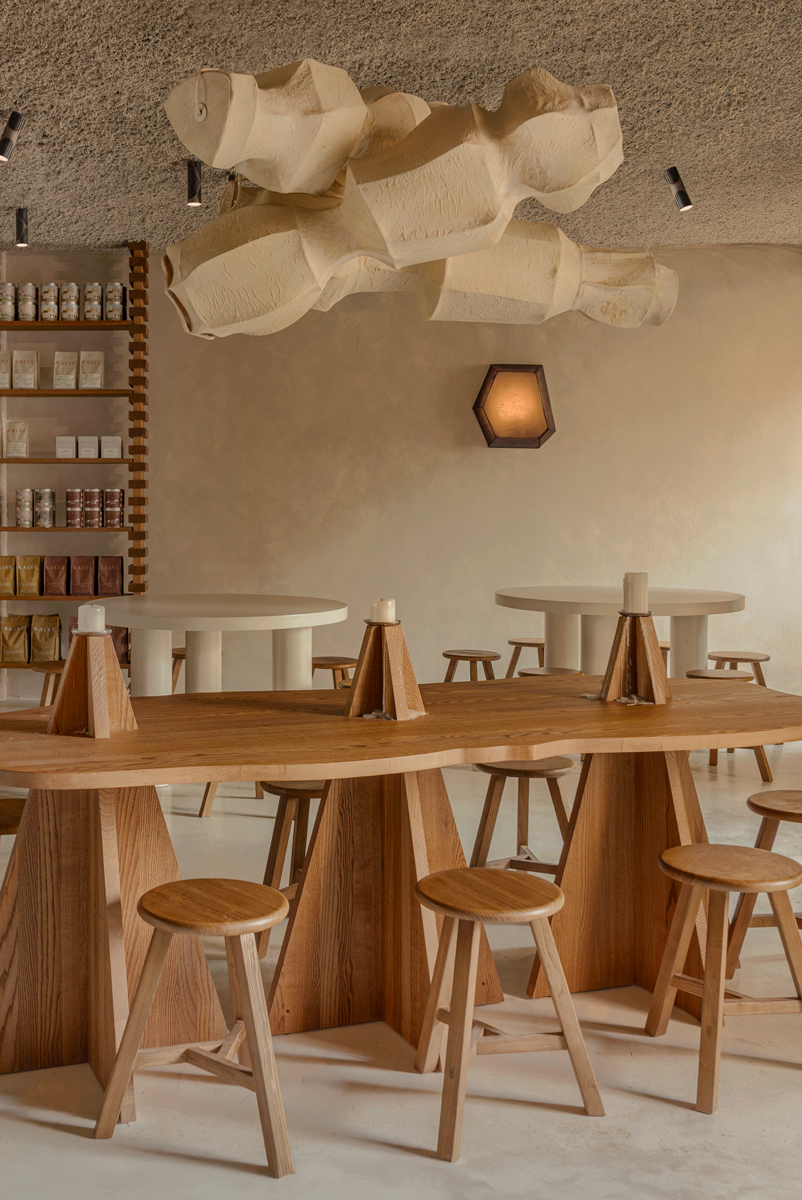
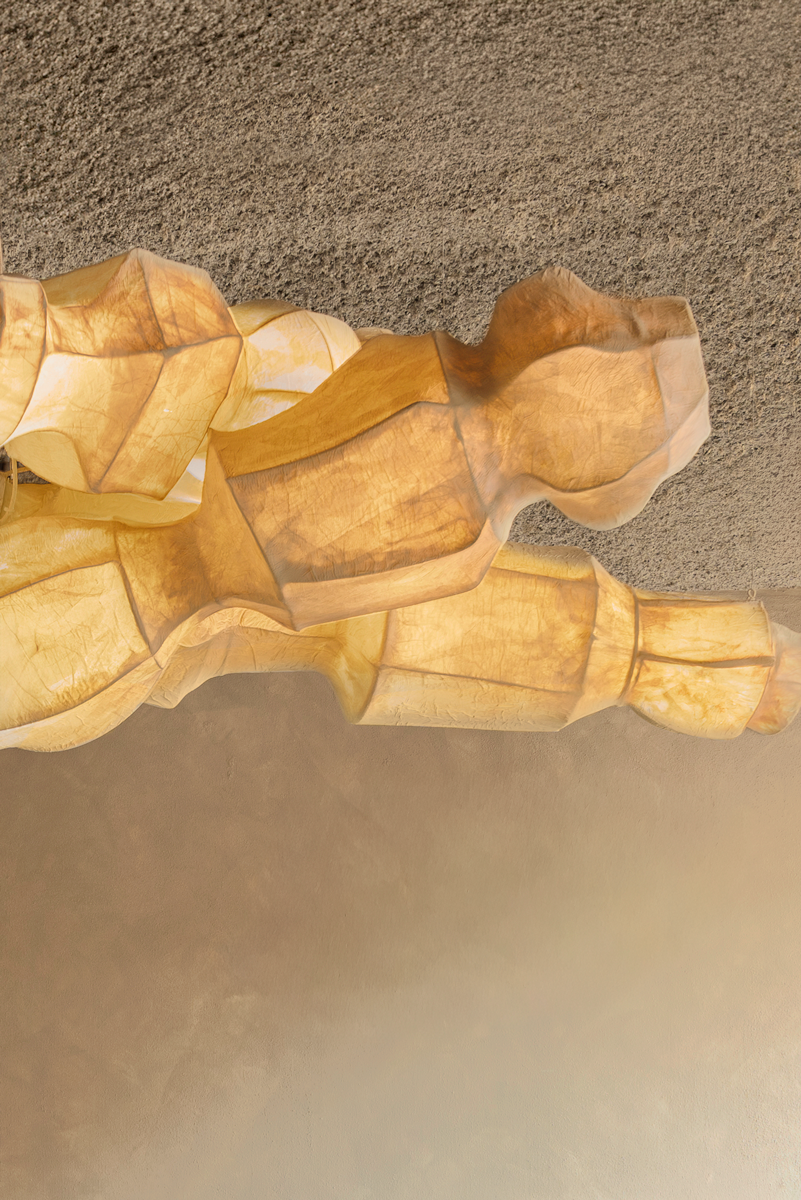
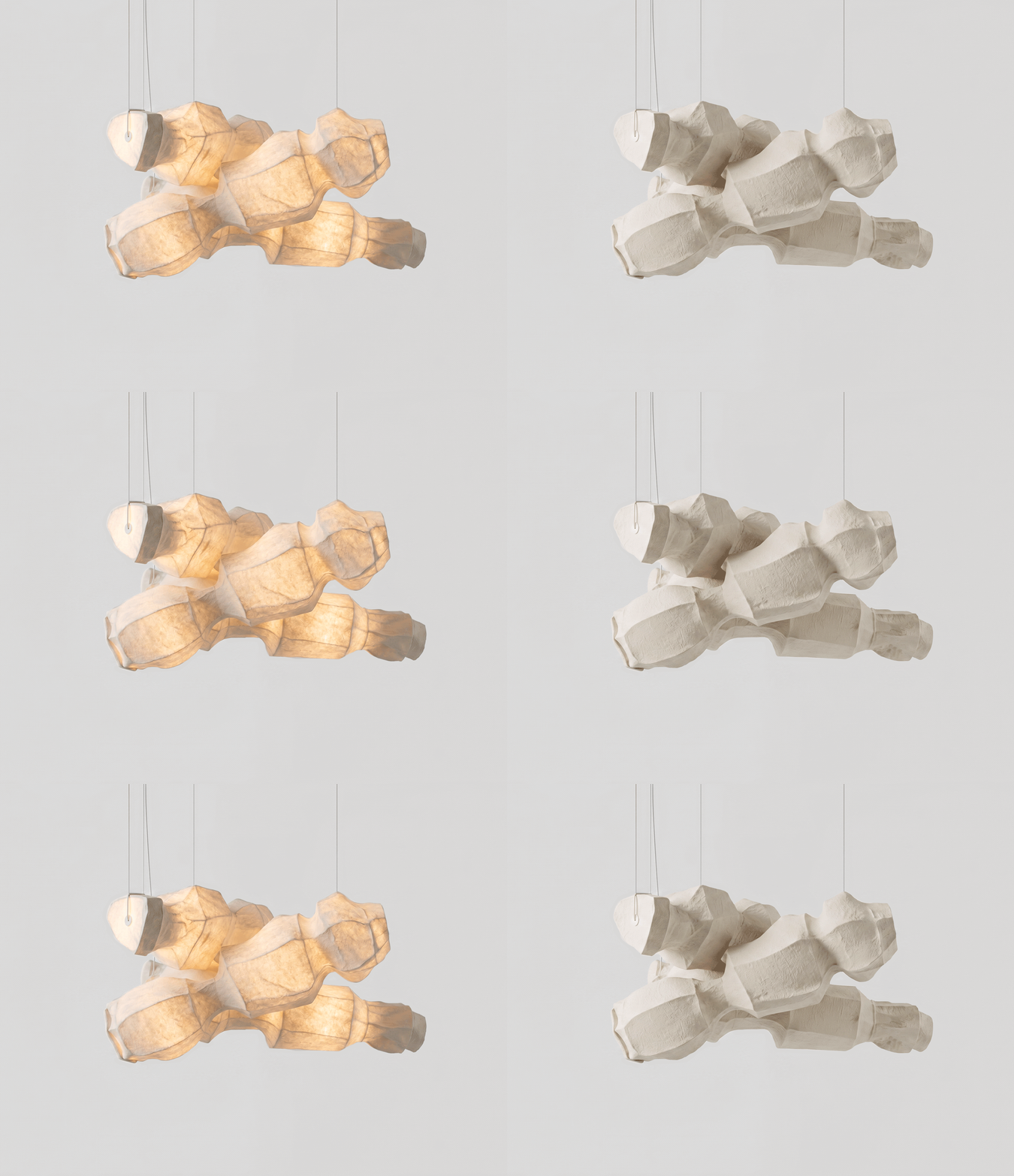
Paper Lamp Composition
Designed by Irita Tīlane- Pakalniņa / boterra.studio
A composition of three paper lamps exploring the interplay of material and handcrafted form.
Layered paper and delicate structures transform a simple material into sculptural lighting objects with texture, and spatial geometry.
The surfaces diffuse light, creating a warm atmosphere while highlighting the quality of the handmade process.
Layered paper and delicate structures transform a simple material into sculptural lighting objects with texture, and spatial geometry.
The surfaces diffuse light, creating a warm atmosphere while highlighting the quality of the handmade process.
Within our interior concept the lamps reflect the dialogue between traditional craft and contemporary design
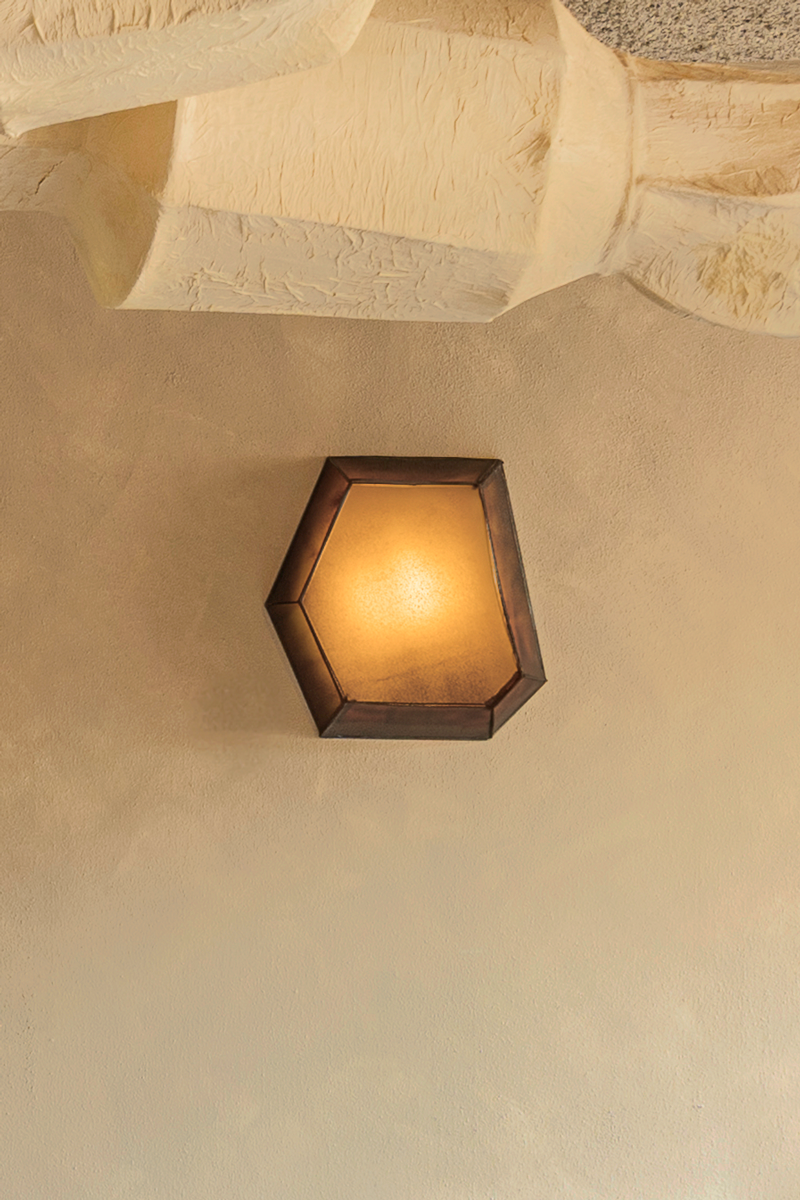
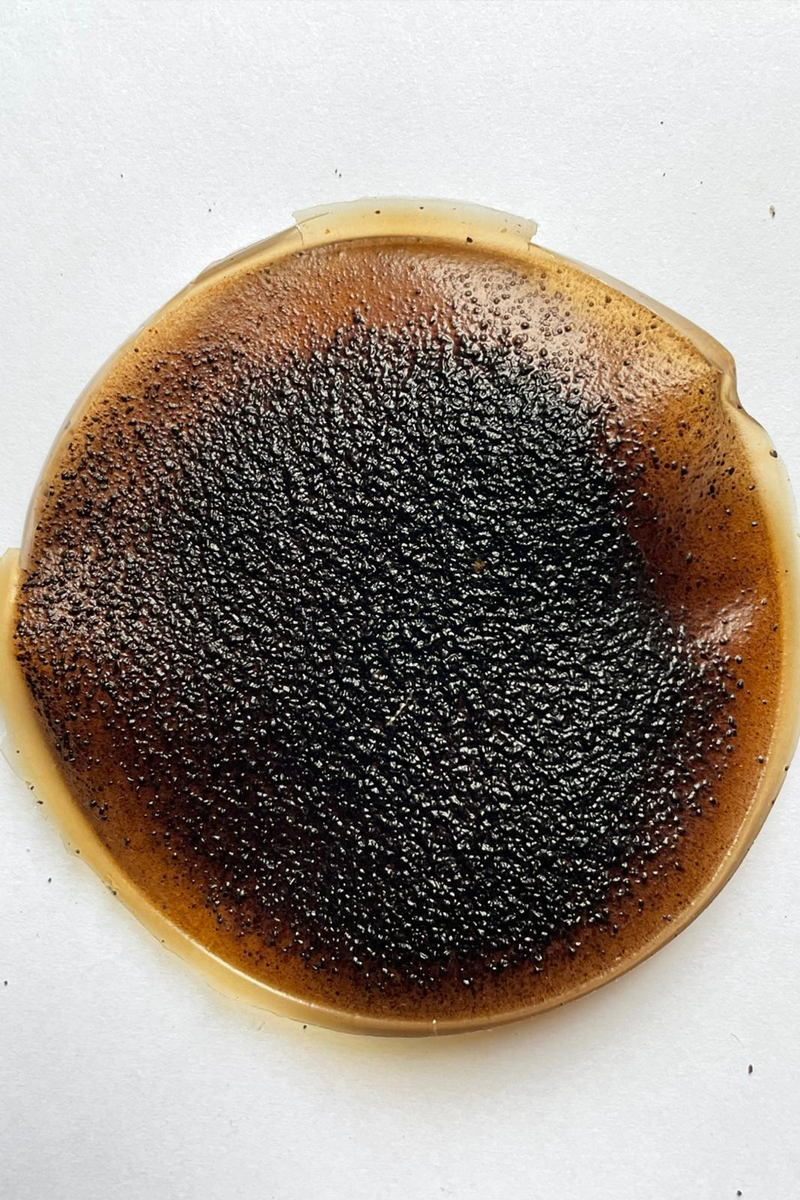
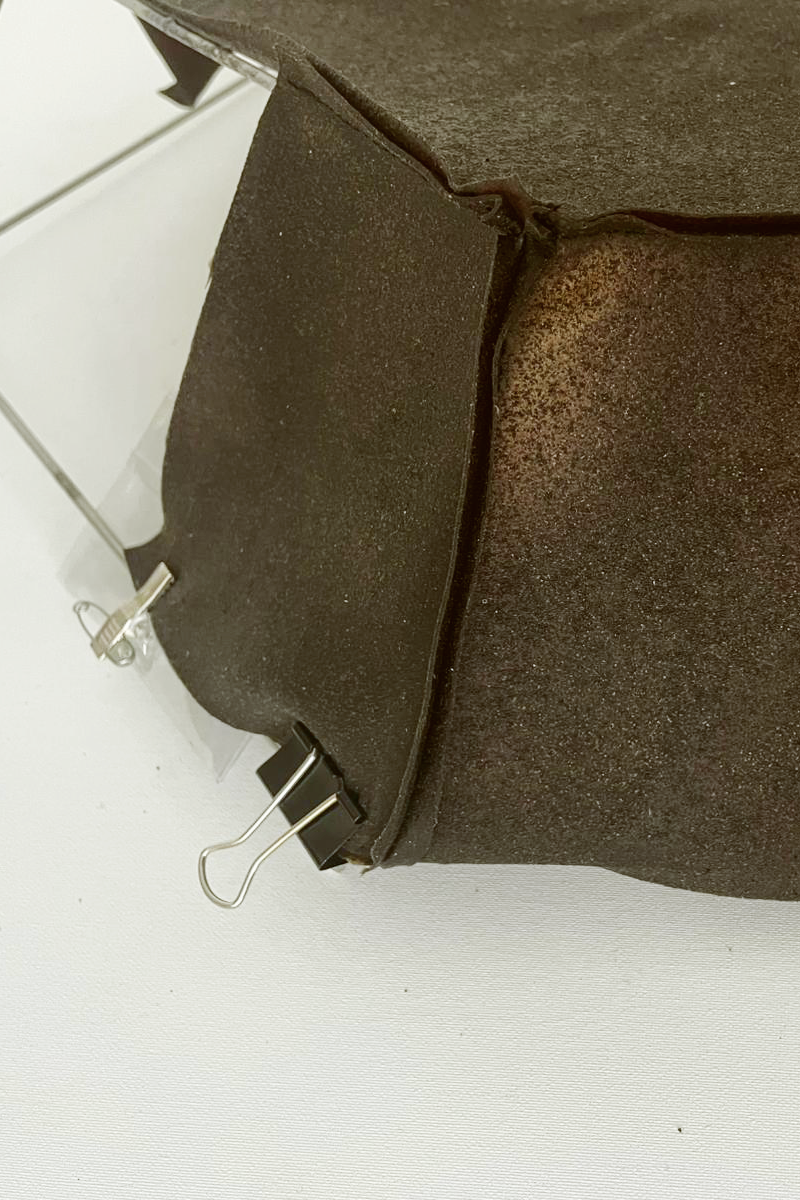
Coffee Leather Lamp
Designed by Frančeska Purviņa (RDMV – Product Design)
Designed by Frančeska Purviņa (RDMV – Product Design)
this lamp explores the potential of bio-based materials through coffee leather, developed from recycled coffee grounds collected from KALVE Coffee in Latvia. By transforming waste into a tactile, light-responsive material, the project demonstrates how material innovation can extend traditional craft values into contemporary design. Within this interior, the lamp reinforces the dialogue between craftsmanship, sustainability, and emerging technologies, illustrating how new materials can carry both environmental and cultural narratives.
Custom Metal Lighting Elements
Developed in collaboration with MW KEPSH, Kuldīga
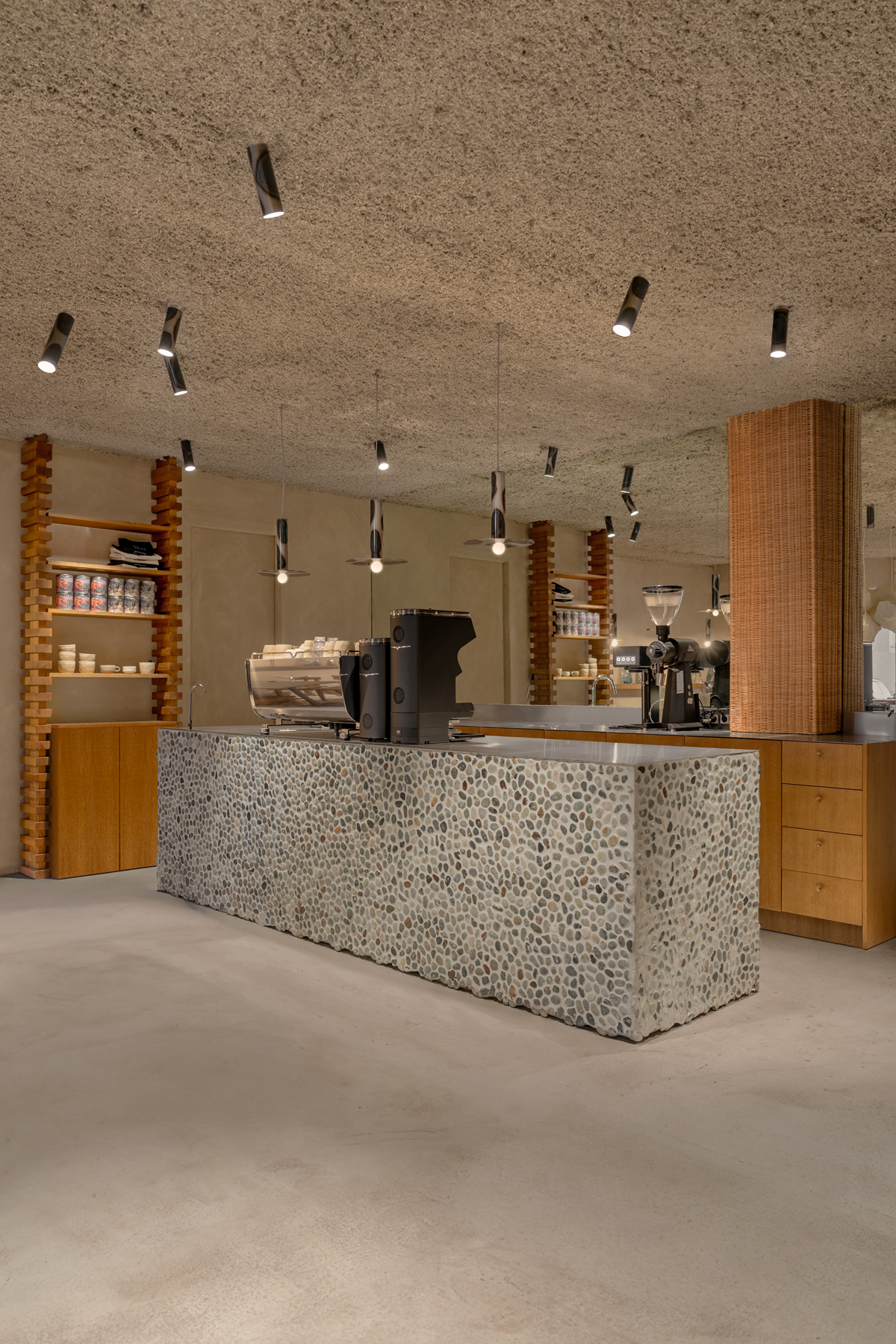
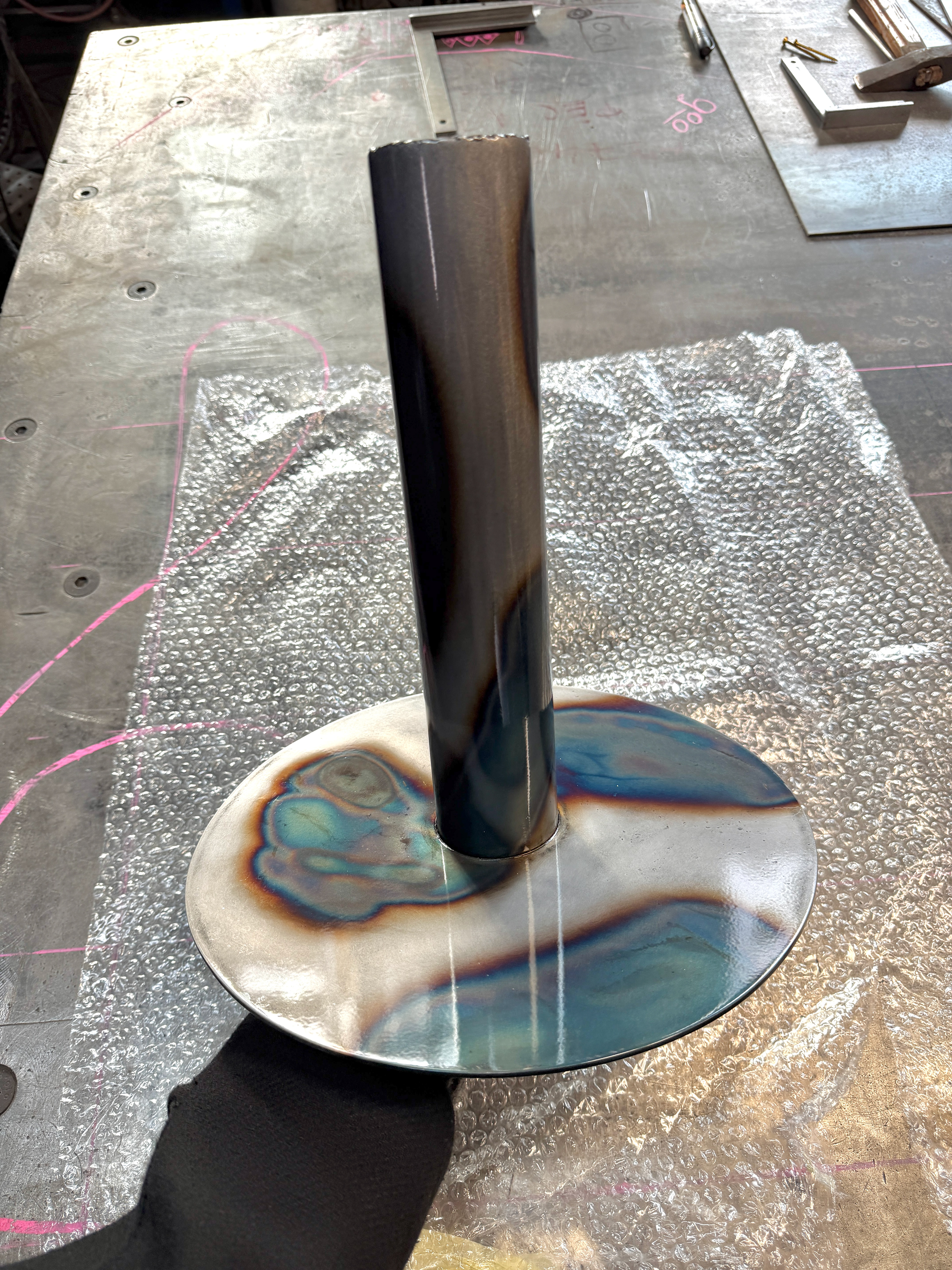
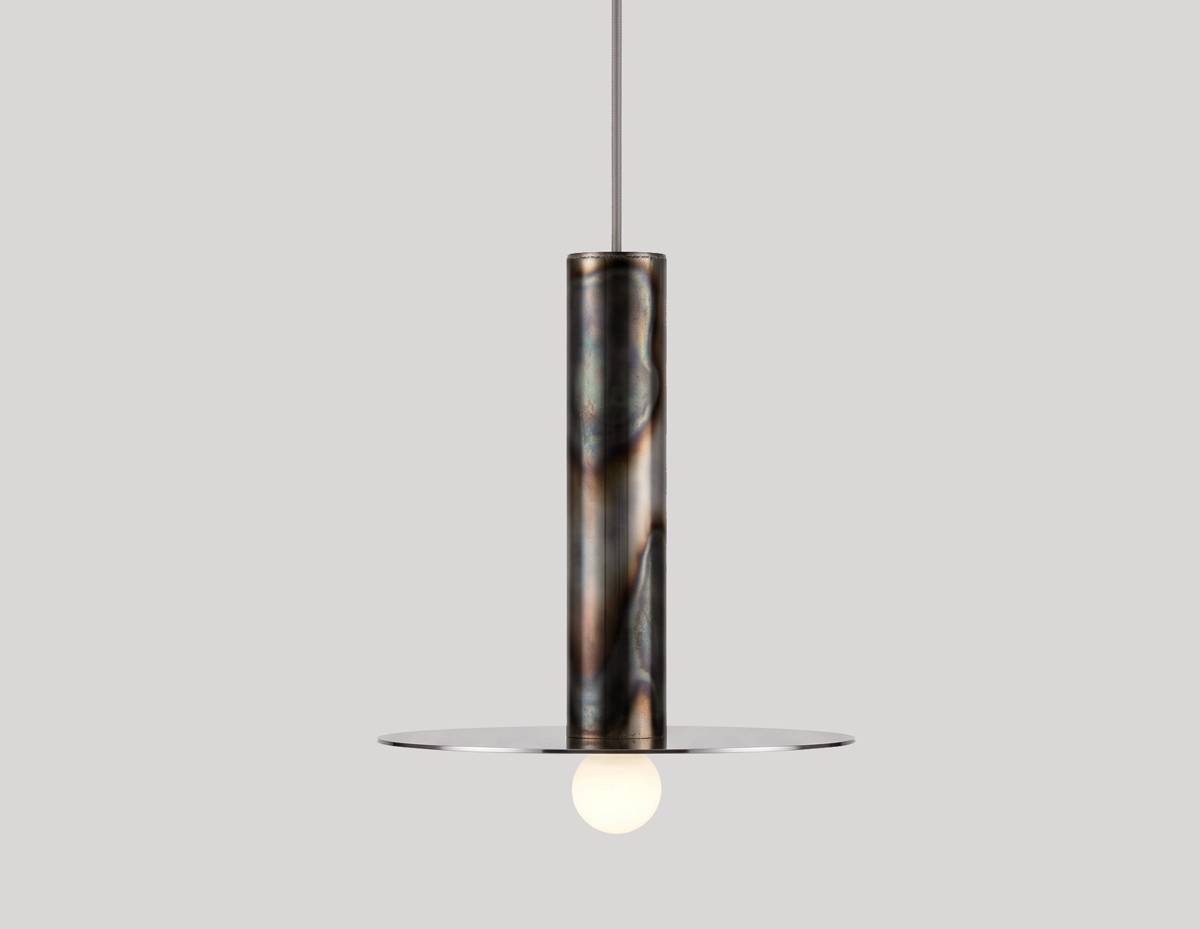
A series of ceiling lighting was created in collaboration with metal craftsmen specializing in welding, blacksmithing, and architectural metalwork.
Factory made ceiling luminaires were reinterpreted with custom fabricated conical shades, while the bar pendants were handcrafted from scratch using simple disc and cone geometries. Hand-burned metal textures add depth, and individuality to each piece. These lighting elements embody the meeting of craftsmanship and contemporary production, transforming standard industrial components into distinctive architectural features.
Author
Janis Andersons, Danna Degle (Field Studio)
Client
Kalve coffee
Photographer
Toms Jurjaks